


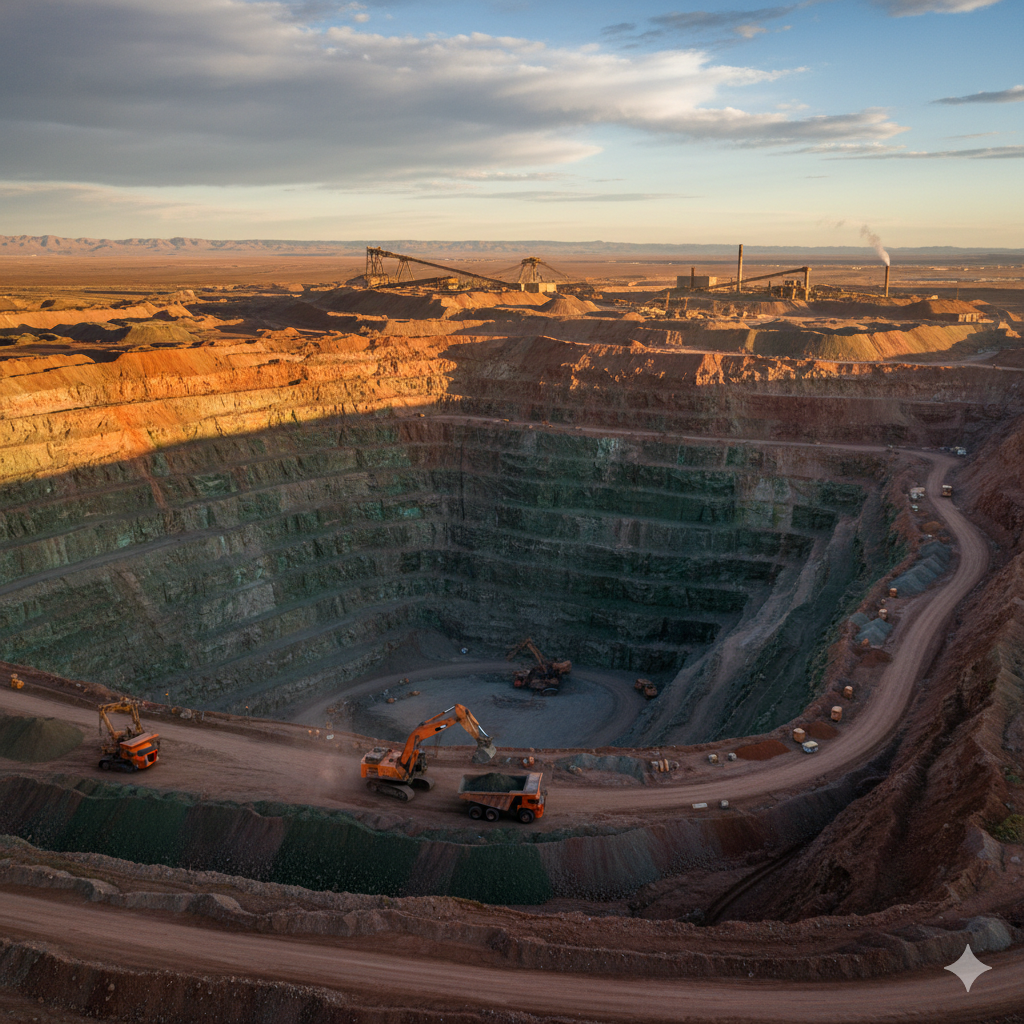
Mining in Michigan has shaped the state’s economy, communities, and industrial development for generations. Rich geological formations have made the region an important source of valuable minerals, supporting infrastructure, manufacturing, and technological advancement.
Today, Mining in Michigan continues to attract attention because of evolving technology, responsible resource management, and growing demand for essential minerals. Understanding the state’s mining history and future opportunities provides valuable insight into one of its most significant industries.
A Brief History of Mining in Michigan
Early Mineral Development
The history of Mining in Michigan stretches back many years. Early exploration revealed significant mineral deposits that encouraged settlement, trade, and industrial expansion throughout the region.
As mining activities increased, communities developed around resource-rich areas, creating employment opportunities and supporting regional economic growth.
Industrial Expansion
Industrialization transformed Mining in Michigan by introducing improved equipment, transportation networks, and processing methods.
Growing demand for minerals encouraged continued exploration while helping establish mining as an important contributor to the state’s economy.
Geological Advantages
Diverse Mineral Resources
One reason Mining in Michigan remains significant is the state’s unique geology. Rock formations contain a variety of valuable mineral resources formed through complex geological processes over millions of years.
These natural formations continue attracting geological research and mineral exploration.
Exploration Techniques
Modern Mining in Michigan begins with detailed geological mapping, environmental studies, and sample analysis. These methods improve understanding of underground resources while supporting responsible planning and efficient extraction.
Advanced technology also helps reduce exploration risks and improve project accuracy.
Economic Contributions
Employment and Local Development
Mining in Michigan supports jobs across multiple sectors, including engineering, construction, environmental science, transportation, equipment maintenance, and technical services.
Mining activities also stimulate investment in roads, utilities, education, and community development, creating long-term economic benefits.
Supporting Multiple Industries
Minerals produced through Mining in Michigan contribute to manufacturing, construction, renewable energy, transportation, and modern infrastructure.
Reliable mineral production helps strengthen supply chains that support national and global industries.
Environmental Responsibility
Sustainable Mining Practices
Environmental responsibility has become a major focus of Mining in Michigan. Modern operations increasingly emphasize efficient water management, reduced emissions, responsible waste handling, and careful environmental monitoring.
These improvements help reduce environmental impacts while supporting long-term resource development.
Land Restoration
Following mining activities, restoration programs aim to rehabilitate landscapes through vegetation planting, habitat improvement, erosion control, and long-term environmental monitoring.
These efforts demonstrate the industry’s commitment to sustainable land management.
The Future of Mining in Michigan
Increasing Demand for Essential Minerals
As technology continues evolving, Mining in Michigan may play an increasingly important role in supplying minerals used for renewable energy systems, electrical infrastructure, advanced manufacturing, and transportation.
Growing global demand encourages continued exploration and innovation.
Innovation and Efficiency
Automation, digital mapping, remote monitoring, and data-driven planning continue improving Mining in Michigan by increasing operational efficiency and enhancing workplace safety.
Technological advancements also support better environmental management throughout mining operations.
Why Mining in Michigan Remains Important
Long-Term Economic Value
Mining in Michigan contributes to regional growth by creating employment opportunities, encouraging infrastructure investment, and supporting technical innovation.
The industry also promotes education, workforce development, and scientific research related to geology and natural resources.
Balancing Development and Conservation
Modern Mining in Michigan seeks to balance economic development with environmental stewardship through careful planning, responsible resource management, and ongoing restoration efforts.
This balanced approach supports both current needs and future sustainability.
Conclusion
Mining in Michigan continues to play a meaningful role in economic development, scientific research, and resource management. Its rich geological history, diverse mineral resources, and commitment to responsible practices position the industry for continued importance.
As technology advances and demand for essential minerals grows, Mining in Michigan will remain a significant contributor to infrastructure, innovation, and sustainable development while adapting to changing environmental and economic priorities.