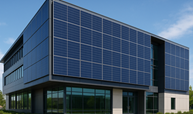



Building integrated photovoltaics BIPV is redefining how buildings generate renewable energy while maintaining exceptional architectural design. Instead of treating solar technology as an external addition, BIPV incorporates photovoltaic materials directly into the building envelope, allowing walls, roofs, and glass surfaces to produce electricity.
As sustainable construction gains momentum worldwide, building integrated photovoltaics BIPV has become an increasingly attractive solution for architects, developers, and property owners looking to combine energy efficiency with innovative building design.
Understanding Building Integrated Photovoltaics BIPV
Building integrated photovoltaics BIPV refers to photovoltaic materials that replace conventional building components while producing renewable electricity.
Unlike traditional rooftop solar systems that are mounted after construction, BIPV systems are integrated during the design and construction process. They function as structural elements while simultaneously generating power from sunlight.
Common BIPV applications include roofing systems, curtain walls, skylights, facades, canopies, and exterior cladding.
The Technology Behind BIPV
Building integrated photovoltaics BIPV uses photovoltaic cells that convert sunlight into electrical energy. The generated electricity can support building operations, helping reduce reliance on external power sources.
The integration of photovoltaic materials into building components allows designers to maximize available surfaces without sacrificing appearance or functionality.
Advantages of Building Integrated Photovoltaics BIPV
Sustainable Energy Production
One of the greatest strengths of building integrated photovoltaics BIPV is its ability to generate clean electricity directly from the building envelope.
Buildings become active contributors to renewable energy production rather than passive energy consumers, supporting long-term sustainability objectives.
Enhanced Architectural Flexibility
Building integrated photovoltaics BIPV allows architects to incorporate renewable energy without altering the building’s overall design.
Photovoltaic materials are available in multiple finishes, transparency levels, colors, and configurations, making them suitable for contemporary architectural styles.
Efficient Use of Building Surfaces
Every exposed building surface presents an opportunity for energy generation.
Building integrated photovoltaics BIPV can be installed within:
- Roof assemblies
- Exterior walls
- Glass curtain walls
- Skylights
- Building entrances
- Sunshades
This approach maximizes renewable energy generation while preserving valuable land space.
Where Building Integrated Photovoltaics BIPV Is Used
Commercial Developments
Large commercial buildings often feature extensive roof and facade areas that make excellent candidates for BIPV integration.
Office buildings, shopping centers, hotels, and institutional facilities can all benefit from incorporating photovoltaic technology into their building envelope.
Residential Construction
Modern homes increasingly adopt building integrated photovoltaics BIPV to improve energy efficiency while maintaining attractive architectural designs.
Solar roofs and photovoltaic facades provide homeowners with clean energy generation without the visual impact of conventional solar arrays.
Educational and Public Buildings
Schools, universities, government facilities, and transportation centers frequently include BIPV technology within sustainable building initiatives.
These projects demonstrate environmental leadership while reducing long-term energy consumption.
Design Factors That Influence Performance
Orientation and Solar Exposure
Proper building orientation significantly affects energy production.
Architects evaluate sunlight exposure, seasonal weather patterns, and potential shading to position building integrated photovoltaics BIPV for maximum efficiency.
Material Performance
Different photovoltaic materials provide varying levels of efficiency, transparency, durability, and design flexibility.
Selecting appropriate materials depends on project goals, building function, and environmental conditions.
Integration During Construction
Building integrated photovoltaics BIPV performs best when considered early in the design process.
Close collaboration among architects, engineers, and construction professionals helps ensure structural compatibility and efficient installation.
Environmental Benefits
Building integrated photovoltaics BIPV contributes to lower greenhouse gas emissions by generating renewable electricity directly from sunlight.
These systems reduce dependence on fossil fuels while supporting energy-efficient building practices. Because photovoltaic materials replace conventional construction products, they also encourage more sustainable use of building resources.
Many environmentally focused building projects include BIPV as part of broader strategies to achieve higher levels of sustainability.
The Future of Building Integrated Photovoltaics BIPV
Rapid innovation continues to improve the performance and appearance of BIPV technologies.
Advancements in transparent photovoltaic glass, lightweight materials, colored solar surfaces, and integrated energy management systems are making building integrated photovoltaics BIPV more versatile than ever.
As cities prioritize carbon reduction and sustainable development, BIPV is expected to play an increasingly important role in future construction projects.
Conclusion
Building integrated photovoltaics BIPV combines architectural innovation with renewable energy generation, offering an effective solution for modern sustainable construction.
By replacing traditional building materials with electricity-producing components, BIPV supports energy efficiency, environmental responsibility, and contemporary building design. As technology continues to evolve, building integrated photovoltaics BIPV will remain a key driver in creating smarter, more sustainable buildings for generations to come.